
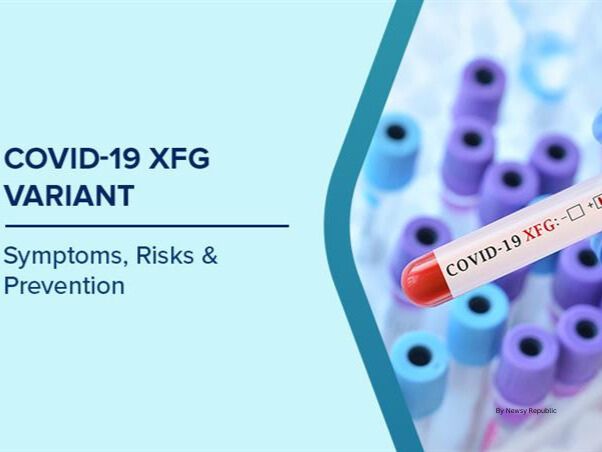
More than four years after the pandemic began, Covid Symptoms continues to strike millions of people every year. Fast forward to 2025, new variations keep cropping up, so it’s crucial to spot symptoms fast. This guide simplifies COVID-19 symptoms so you can spot them early and act responsibly for your health — and that of others.
The Commonest and The Feature Signs of COVID-19 Infection
COVID-19 typically begins with symptoms that mimic those of a bad cold or flu. You might feel these symptoms first, particularly if you’ve been in contact with a sick person. Looking for them can inhibit the spread in your home or community.
Fever and Chills: The Body’s First Defenses
Fever is among the most common COVID-19 symptoms. It tends to rise 100.4°F or more and can go on for several days. Others get shivers that force their body to shake, as if fighting a big invader.
COVID-19 fevers might spike or remain steady. It doesn’t have to be a high number in the kids, either — children who show few tics will sometimes say they don’t feel right. Monitor your temperature twice a day if one should suspect it.
Most of the time, it’s helped by rest and fluids. But if it goes over 103°F, get on the phone with your doctor now.
Persistent Cough and Respiratory Distress
And that dry cough from COVID-19 seems to never let up. It hacks and comes without mucus, and it can tire you out quickly. Wet coughs that loosen phlegm are less frequent but indicate deeper lung trouble.
That feeling gathers pace as things get worse, shortness of breath starts to creep in. Maybe the walk to the kitchen leaves you winded. This occurs because the virus batters your lungs.
Stress management techniques, such as those provided by apps, help in mild cases. “Severe breathing problems demand rapid medical help.
Fatigue and Body Aches (Myalgia)
Fatigue from COVID-19 wipes you out in a way that’s hard to describe. You’re not just tired—you’re exhausted, right down to your bones. Sleep doesn’t fix it. You can get a full night, even twelve hours, and still feel like you’re wading through mud the next day.
Then come the body aches. Muscles, joints—everything feels sore, like your whole body’s complaining. Even small movements can hurt. Sometimes there’s a headache on top of it all, just to make things worse.
Drink water. Take it slow. Most people start to feel better after a week, but if you try to do too much too soon, that tired, achy feeling can stick around.
Recognizing Less Common, Yet Significant, COVID-19 Indicators
Not all COVID-19 cases show up the way you expect. Sometimes, the symptoms are sneaky—they feel more like allergies or a stomach bug at first. But catching these odd signs early can really save you trouble later.
Loss of Taste (Ageusia) and Smell (Anosmia)
Take losing your sense of taste or smell. During the first waves of COVID, this was a major giveaway. Suddenly, your morning coffee smells like nothing, and dinner tastes like plain cardboard. It’s not rare either—research says around 40% of people get hit with this.
Recovery’s a mixed bag. Some folks bounce back in a few weeks, others need months. The virus messes with your nerves, which explains the weirdness. Doctors actually use this symptom now to help confirm if someone’s infected.
If you notice this, jot down when it started. Most of the time, it fades on its own, but smell training kits can help speed things up.
Gastrointestinal Problems
Sometimes, COVID-19 starts in your gut before you even cough. Nausea, diarrhea—suddenly you’re glued to the bathroom and just feel off. Kids get this a lot, and certain variants seem to trigger it more often.
Vomiting doesn’t show up much, but when it does, it’s rough. All these stomach issues happen because the virus messes with your digestive system. Stick close to a bathroom and keep sipping on clear drinks.
Most of the time, these symptoms fade after a couple days. But if you get dehydrated, don’t wait—get medical help right away.
Sore Throat and Stuffy Nose
COVID-19 can hit your throat hard—a sore throat that stings way worse than the usual cold. It hangs around longer, and often comes with a nose so stuffed up you can barely breathe through it. Don’t expect allergy meds to help; this isn’t like seasonal allergies.
Maybe you’re sniffling, but your nose isn’t really runny—more just dry and blocked. If you spike a fever, everything feels worse. Try gargling with salt water for some relief.
Keep an eye on things. If your throat pain gets worse or you start struggling to breathe, it could mean your symptoms are turning into something more serious.
The Spectrum of Severity: Mild, Moderate, and Severe Symptoms
COVID-19 hits everyone a little differently. For some, it’s just a few sniffles or a sore throat—nothing major. For others, it feels way worse. Your age, overall health, and which variant’s going around all matter. It helps to know where you land on that scale, so you know what to do next.
Mild to Moderate Cases: Self-Care and Monitoring
Most people get off easy, with mild symptoms you can manage at home. You rest, sip water, stick to light meals—nothing fancy. If you’re achy or feverish, grab some acetaminophen. Keep an eye on your oxygen levels if you have a pulse oximeter.
Try to stay above 94%. If you’re alone, have a friend check in with you every day. That way, if things take a turn, someone’s got your back.
Stick to yourself for at least five days. That’s the current guideline. Don’t go out until you’ve tested negative, just to be safe.
Warning Signs: When to Head to the ER
Some symptoms just can’t wait. If you’re struggling to breathe or your chest feels like an elephant’s sitting on it, don’t brush it off—get to the ER. Feeling confused or suddenly dizzy? That’s another big red flag.
Blue lips or nails mean your oxygen’s dangerously low. If you can’t keep your eyes open or you’re gasping to finish a sentence, it’s time to go. And if a high fever sticks around for days, don’t ignore it.
A racing heart can also spell trouble. When any of this happens, don’t hesitate—call 911 right away.
Long COVID: Symptoms That Stick Around
Long COVID doesn’t pack up when the main illness ends. Brain fog can make it feel like you’re thinking through glue. You might feel wiped out for weeks, and aches or bad sleep just drag on.
Some folks notice their heart pounding or can’t quite shake off shortness of breath, even months later. Studies say about 10–20% of people deal with this, and it’s not just older folks—plenty of young, healthy people end up here too.
If this sounds like you, see a specialist who can help you figure out a plan. Recovery isn’t always quick, but with the right help, most people start to feel better over time.
Telling COVID-19 apart from other respiratory bugs
Colds and the flu share a lot of the same symptoms. So, what’s different? A quick check helps you figure it out and get the right treatment.
Symptom Overlap: COVID-19 vs. Influenza (Flu)
Let’s break it down. Both COVID-19 and the flu usually come with fever and cough. But if you suddenly can’t smell anything, that’s a red flag for COVID-19. The flu tends to hit like a truck—fast, with body aches that max out right away. COVID-19 is sneakier; it can take anywhere from two to fourteen days after exposure to show up, while the flu usually appears within four days.
Severity bounces around for both, but there’s a difference. The flu vaccine protects you from the worst of the flu, and COVID-19 shots do the same for that virus. According to CDC data, COVID-19 is more likely to mess with your stomach—think nausea or diarrhea. If you’re unsure, just get tested. That’s how you know for sure.
And one more thing: the flu usually clears up in about a week, but COVID-19 tends to stick around longer. Sometimes, it drags on for weeks.
How to Tell COVID-19 Apart from a Cold or Allergies
Colds usually hit you with a runny nose and sneezing, but you don’t get a fever that knocks you down. Allergies? Those make your eyes itch and tend to come and go with the seasons—plus, you feel better when you’re outside. COVID-19’s different. You suddenly can’t smell or taste anything, and the exhaustion just won’t let up.
Sore throats show up with viruses, not allergies. Colds disappear fast, but COVID-19 drags on and gets worse. If your temperature climbs above 101°F, that’s not pollen, that’s probably an infection.
When symptoms start right after you’ve been around someone sick, think COVID-19. And yeah, a test will tell you for sure.
What to Do When You Notice COVID-19 Symptoms
So, you’re feeling sick and think it might be COVID-19. First—don’t freak out. Take a breath and jump into action. The sooner you deal with it, the easier it’ll be on you and everyone around you.
Immediate Isolation and Testing Protocols
Start by staying home. Seriously, don’t wait. Find a spot in your place where you can be on your own, and, if you can, use a separate bathroom. The usual advice is to isolate for at least five days. After that, keep a mask on around people until you hit day ten.
Now, get tested. Rapid tests from the pharmacy work, or you can head to a clinic for a PCR. If you test positive, tell anyone you’ve been near. For the most accurate results, wait about two days between tests.
And one more thing—try to have basic groceries and supplies on hand before you get sick. It saves you from having to go out and risk spreading the virus to your family.
When to Contact Healthcare Providers and Treatment Options
When should you call your doctor? If you’re over 65 or have something like diabetes, don’t wait—reach out right away. Your doctor can walk you through treatment and might start you on something like Paxlovid if you catch it early. Make sure you tell them exactly what you’re feeling so they can help you faster.
If your symptoms are mild, keep an eye on things at home, but speak up if you start feeling worse. Telehealth makes it easy to check in without leaving the house. And vaccines still matter—they really do add an extra layer of protection, so keep those up to date.
People at higher risk get bumped up for care. Early treatment isn’t just a suggestion—it actually cuts your risk of severe illness in half, according to health stats.
Conclusion: Vigilance and Understanding Evolving Symptoms
Keep an eye out for new symptoms—COVID keeps changing its playbook, but things like fever, cough, and feeling wiped out still show up most often. We’ve talked about the usual symptoms, the weird ones, how bad things can get, and how to tell the difference between COVID, flu, and a regular cold. If you start feeling off, don’t wait around. Get tested and stay home if you need to.
In 2025, staying on top of things means checking the CDC for updates. Get your shots, wear a mask in crowded places, and don’t let your guard down. If you do get sick, jumping on it early helps you bounce back faster.
Bottom line? Trust yourself. Notice changes, get tested right away, and reach out for help if things get rough. You’re in charge here.